Sukabumi Green Stone cladding panels
Sukabumi Green Stone Cladding Panels
Cladding panels bring Sukabumi Green Stone to vertical surfaces — feature walls, building facades and boutique hotel exteriors — in both lightweight veneer and full-thickness formats.
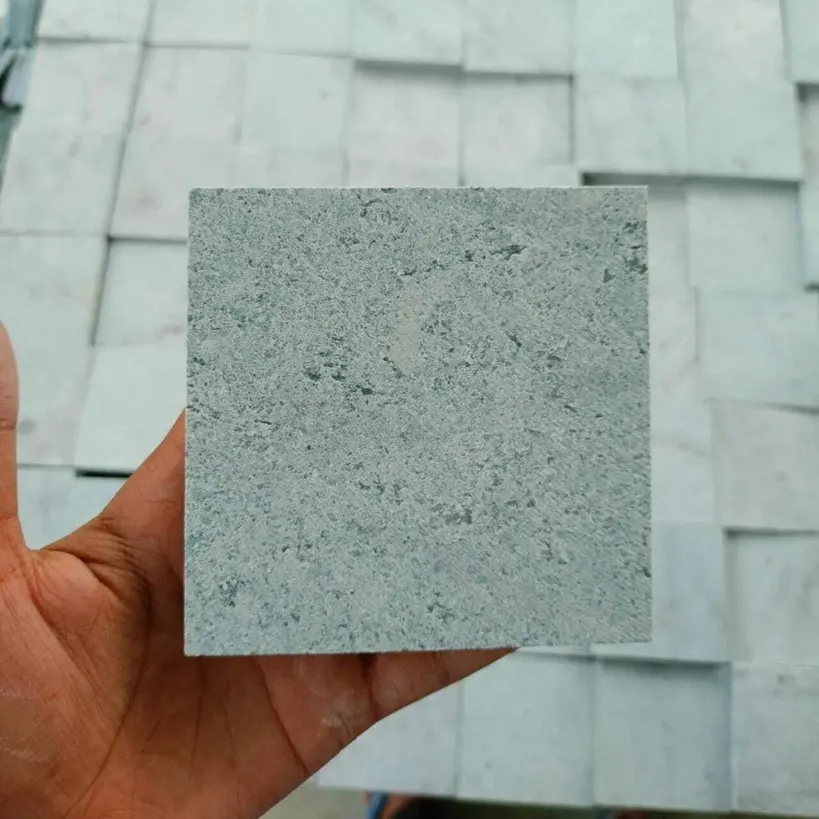
Gallery
Cladding in Detail
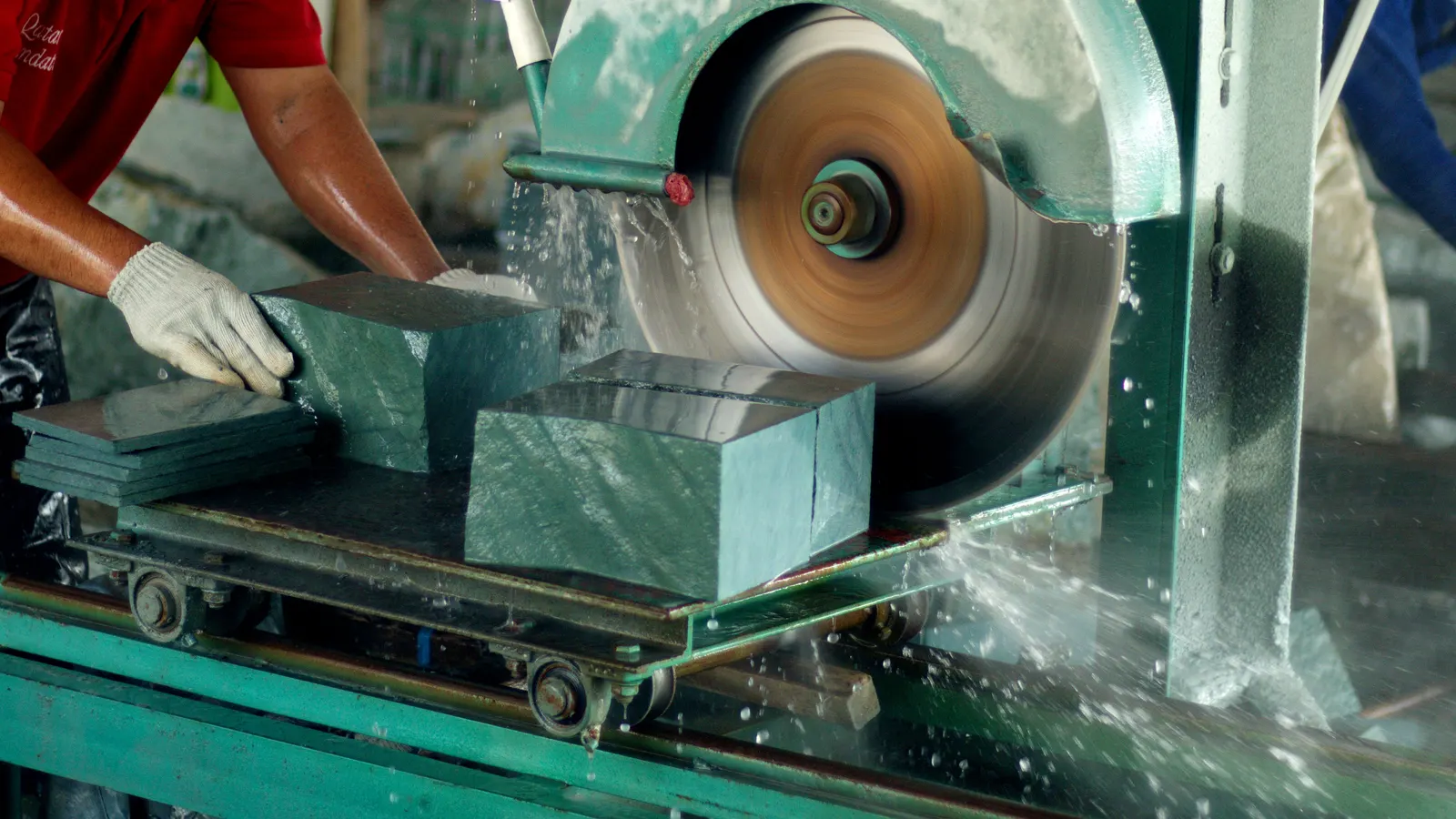
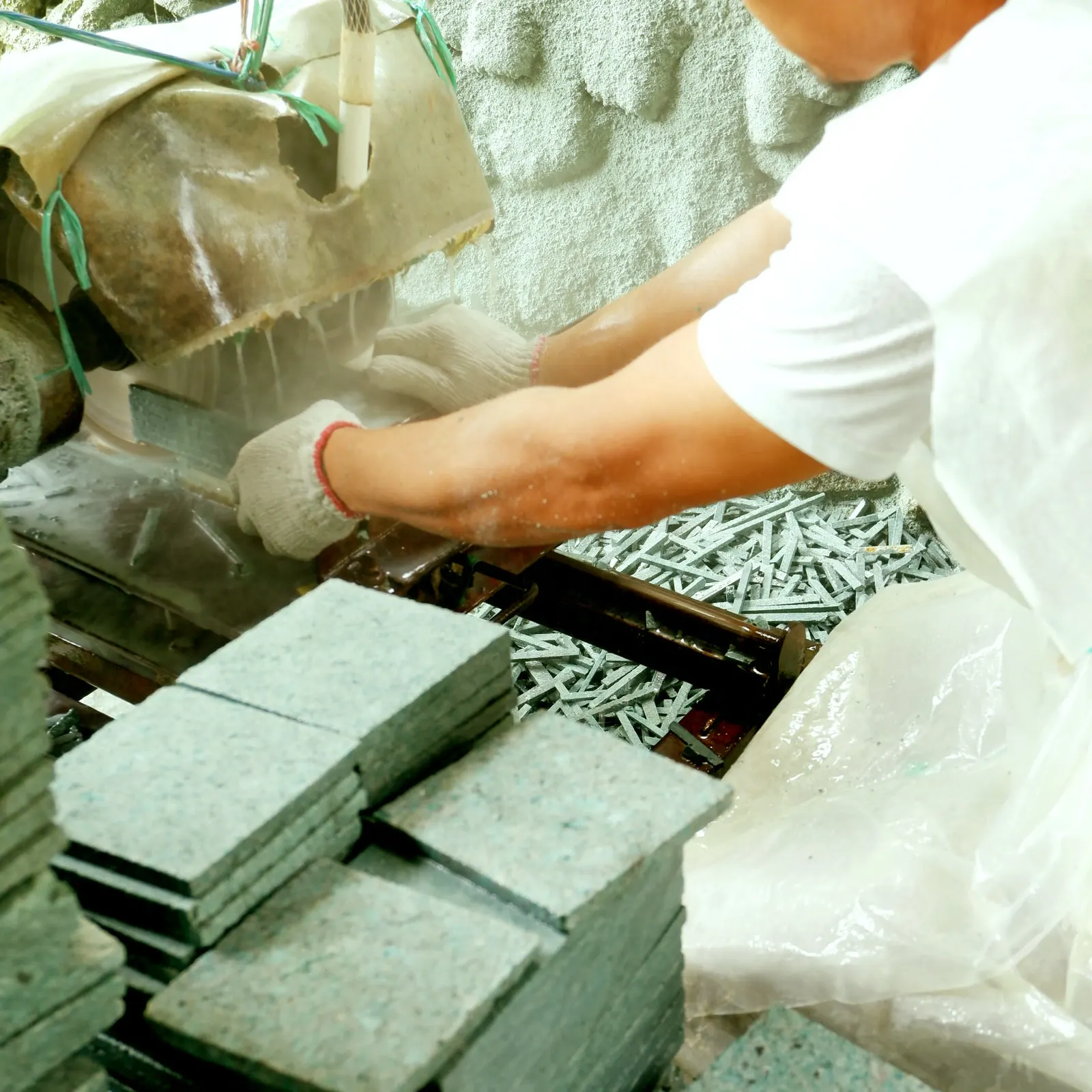
Specifications
Applications
- Building facades
- Feature walls
- Boutique hotel exteriors
- Garden walls
Available Sizes
- 15 x 60 cm strips
- 30 x 60 cm panels
- Ledgestone/stacked format
- Custom cut to spec
Thickness Options
- 1.5–3 cm (veneer)
- 3–5 cm (full thickness)
Finishes
Natural Cleft
Deep texture for dramatic facade shadow lines.
Split Face
Rugged, rock-faced surface for ledgestone-style walls.
Download the Full Product Catalog
Sizes, finishes, technical data and indicative pricing for every Sukabumi Green Stone product — delivered as a PDF.
Related Products
Tiles
Our tiles are the most versatile format in the Sukabumi Green Stone range — cut for pool decks, interior and exterior flooring, and feature walls, in a full spread of standard and custom sizes.
View details → Pavers
Thicker-format pavers engineered for driveways, garden pathways and pool surrounds where vehicular or heavy foot traffic demands extra structural depth.
View details →Cladding — Frequently Asked Questions
What is Sukabumi Green Stone?
Sukabumi Green Stone is a natural andesite-based volcanic stone quarried in the Sukabumi Regency of West Java, Indonesia. Its distinctive grey-green colour comes from zeolite and chlorite minerals within the stone, and it is prized worldwide for swimming pool tiles, coping, pavers and cladding because it stays cool underfoot and resists slipping when wet.
Where does Sukabumi Green Stone come from?
It is quarried exclusively in the Sukabumi Regency of West Java, Indonesia, a volcanic region roughly 100km south of Jakarta. The specific mineral composition of this region’s andesite deposits is what produces the stone’s characteristic green-grey tone, which is why genuine Sukabumi Green Stone cannot be sourced elsewhere.
Why is Sukabumi Green Stone green?
The green-grey hue comes from zeolite, chlorite and other secondary minerals that formed within the andesite as volcanic rock cooled and weathered over geological time. The intensity of the green varies slightly by quarry seam, which is why finish (natural cleft, honed, tumbled) and lighting both affect the perceived shade in photos.
Is Sukabumi Green Stone a type of marble?
No. Marble is a metamorphic rock formed from recrystallized limestone, while Sukabumi Green Stone is an igneous andesite — a volcanic rock. This matters practically: andesite is significantly harder and less porous than most marbles, which is part of why it performs better in wet, high-traffic pool environments.
Is Sukabumi Green Stone natural?
Yes. Every piece is cut from quarried natural stone blocks — it is not a manufactured, cast or reconstituted product. Natural variation in colour, veining and texture between pieces is expected and is part of what distinguishes genuine natural stone from porcelain look-alikes.
What is Sukabumi Green Stone made of?
Mineralogically it is composed primarily of plagioclase feldspar and pyroxene within an andesitic groundmass, with zeolite, chlorite and quartz present as secondary minerals that contribute to its green colouration and moderate porosity.
Ready to Order Cladding?
Share your target sizes, finish and quantity — we'll confirm pricing and lead time.